Seeing Slowly: Techniques for Better Observation
Seeing Slowly: Techniques for Better Observation
Observation underpins drawing and painting. Improving how you see can be more powerful than adding new materials. The following techniques are simple, repeatable ways to sharpen visual attention and make observational work more reliable.
Use deliberate timing
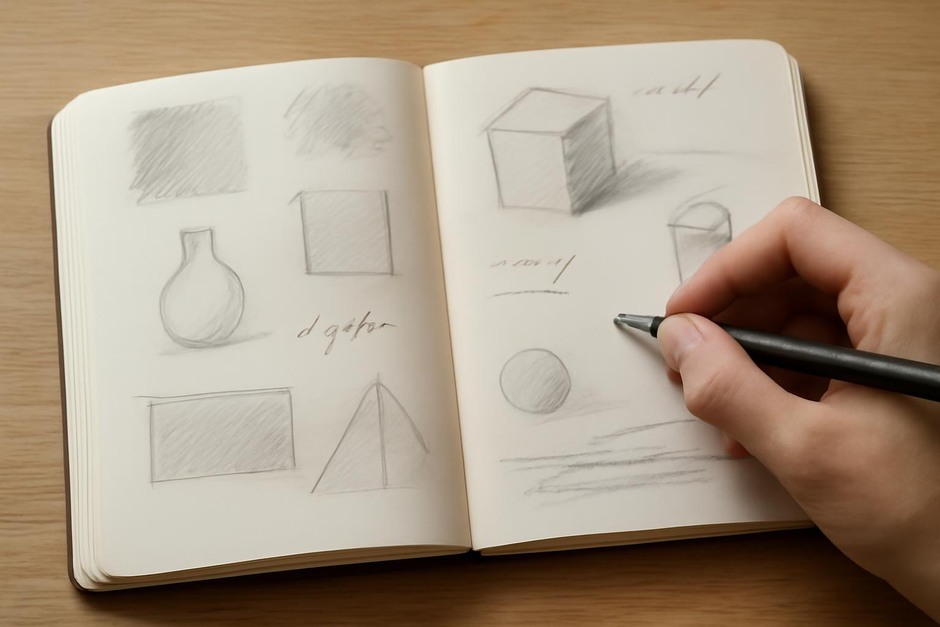
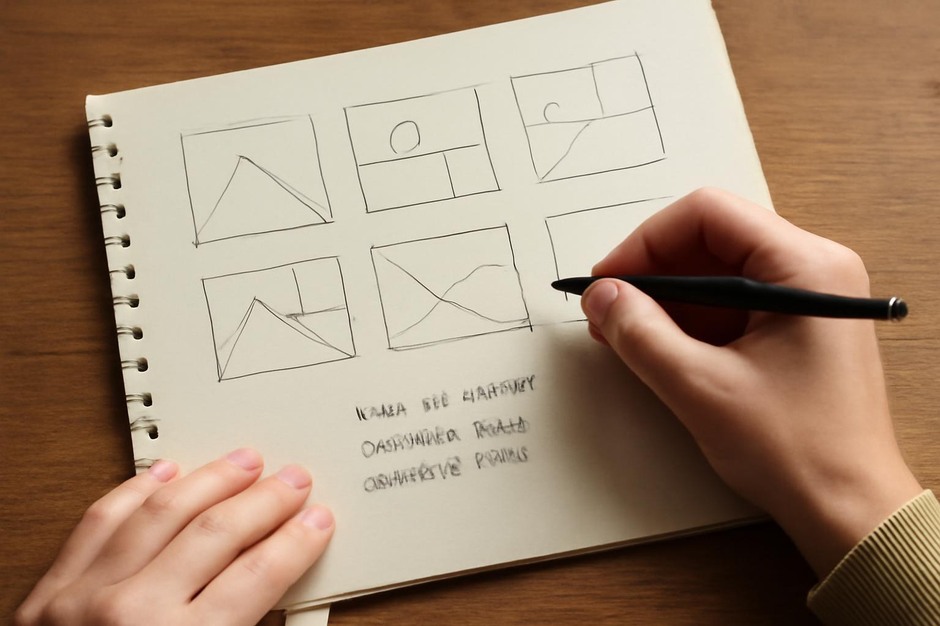
Timed studies force prioritization. Try three intervals: 30 seconds, 5 minutes, and 20 minutes. The 30-second pass captures essential gesture and proportions. The 5-minute study begins to define major planes and relationships. The 20-minute session allows modest detail and a sense of structure. Doing the three in sequence trains you to notice what matters at each stage.
Read edges and shapes
Shift from drawing objects to drawing the edges and negative shapes around them. Describe the contour with a single confident line, then check proportions by measuring relative lengths and angles. Focusing on shapes instead of labeled objects reduces assumption and increases accuracy.
Limit choices to increase clarity
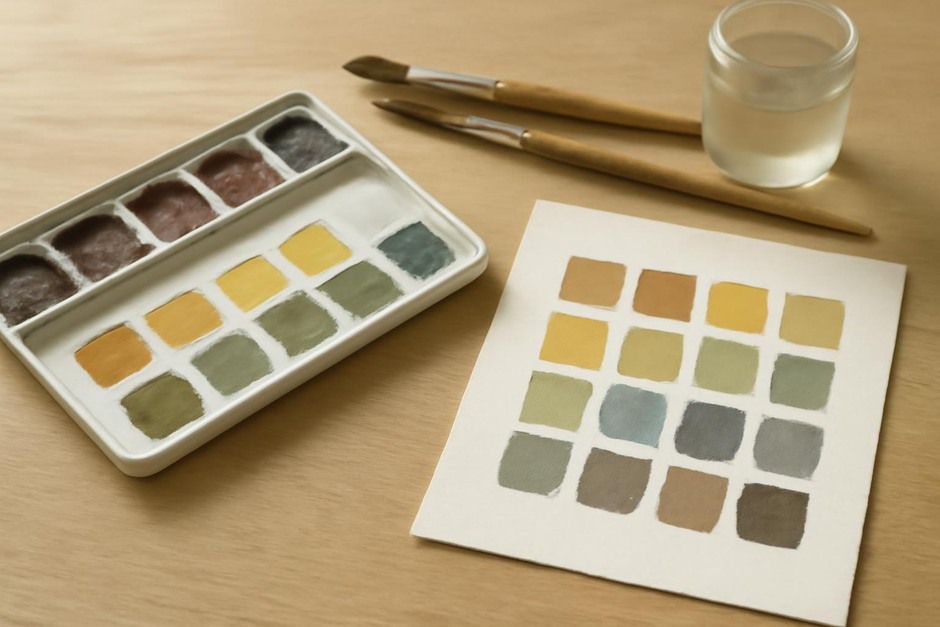
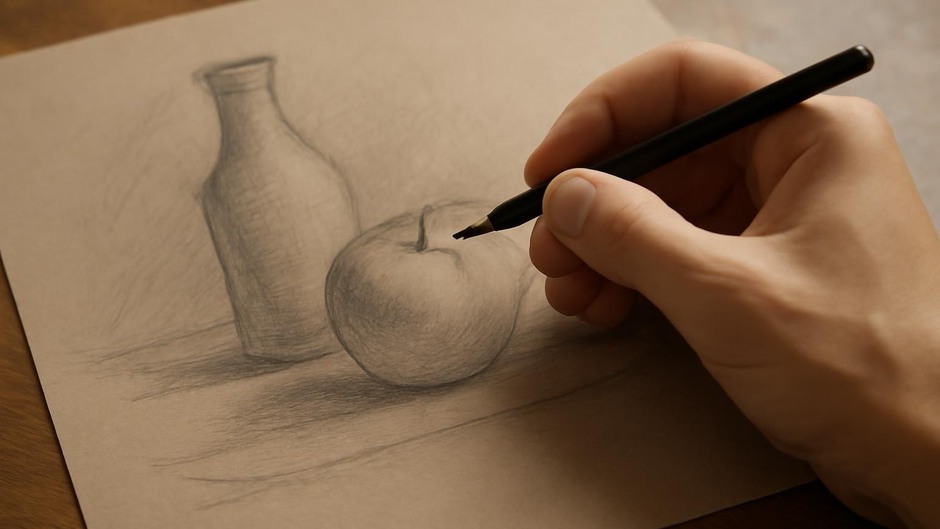
Limit your palette or tools for a session. Working with a single value—such as charcoal or a neutral wash—encourages attention to tone and volume without the distraction of colour. Similarly, using one brush or pen size refines decision-making and creates consistent marks.
Use sighting and measuring
Simple sighting techniques improve proportion: hold a pencil at arm’s length, close one eye, and align it with key points to measure angles and relative sizes. Translate those observations to the paper with the same tool or reference. Sighting is especially helpful for foreshortening and complex foils.
Practice partial focus
Alternate between close study and peripheral observation. Spend a minute looking intently at a small area, then look away and try to draw what you saw. This practice strengthens memory for detail and helps you select essential information for later depiction.
Keep an observation log
Note subtle facts about a subject: how light wraps around form, apparent temperature of colour, or the texture of a surface. These short notes, recorded alongside studies, train your language for visual qualities and become valuable references when making larger work.
Make repetition intentional
Repeat the same motif under different conditions: morning light versus evening, close view versus distance, or with changing materials. Repetition with a clear variable sharpens perception and reveals stable relationships within a subject.
Improving observation is cumulative and gentle. The exercises above are small investments that yield clearer drawings and deeper visual understanding over time. Practice them as regular habits rather than one-off experiments, and allow the process of seeing to become a reliable tool in your making.