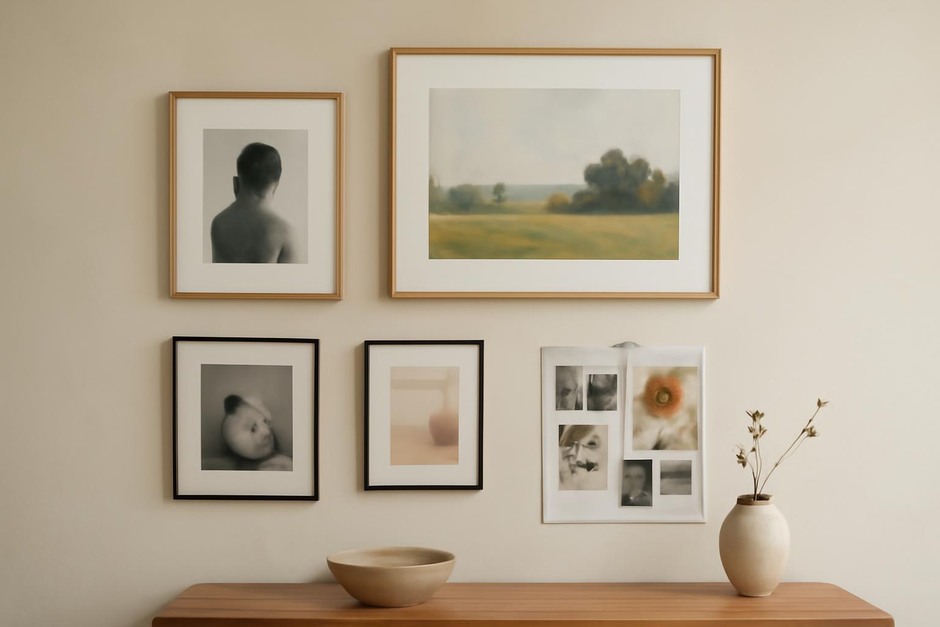
Visual Culture for Makers: Reading Images with Care
Visual Culture for Makers: Reading Images with Care
We live surrounded by images: prints, adverts, packaging, and photographs. For makers, these images are a resource that can inform work when read deliberately. The practice of reading images with care turns passive consumption into material intelligence you can apply in the studio.
Notice structural decisions
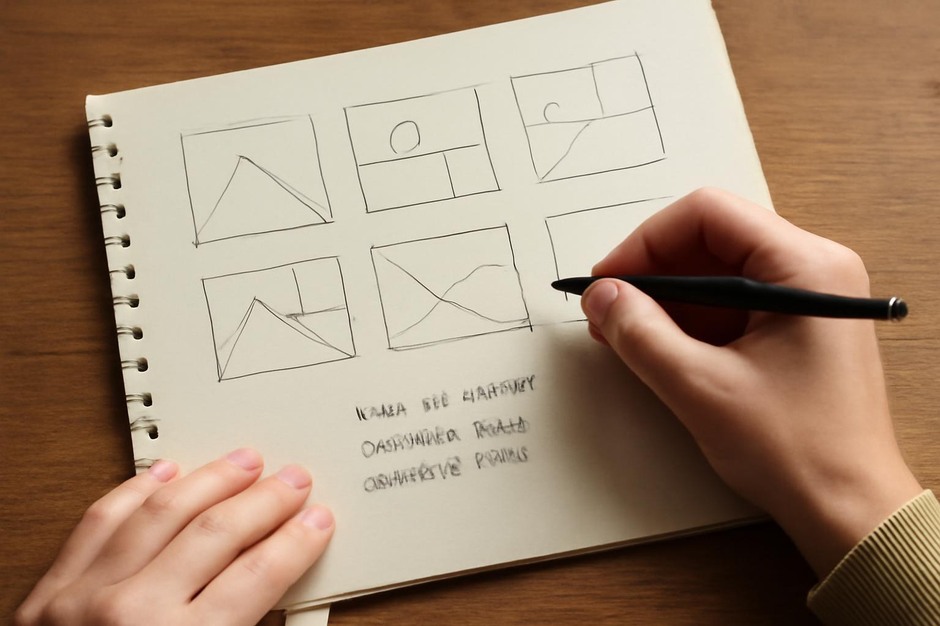
When you examine an image, first ask what structural choices were made: where is the focal point, how is the frame divided, and how are shapes arranged? Identifying these decisions helps you recognize compositional patterns you can adapt for your purposes.
Observe material cues
Images carry information about materials: surface texture, brushwork, print quality, and photographic grain. Note how certain surfaces interact with light or how specific mark-making creates a tactile sense. These clues can suggest techniques or limitations worth testing in your own practice.
Distinguish style from utility
Separating stylistic effect from practical strategy clarifies what is useful to borrow. A flamboyant visual gesture might be stylistically attractive but impractical for a context you work in. Look for underlying strategies—contrast, simplification, rhythm—that can be useful regardless of style.
Contextualize sources
Be aware of how images function in their original context. A photograph in a commercial layout will make different compositional choices than an editorial portrait. Understanding the communicative intent helps you judge whether a visual solution suits your own aims.
Create a visual reference habit
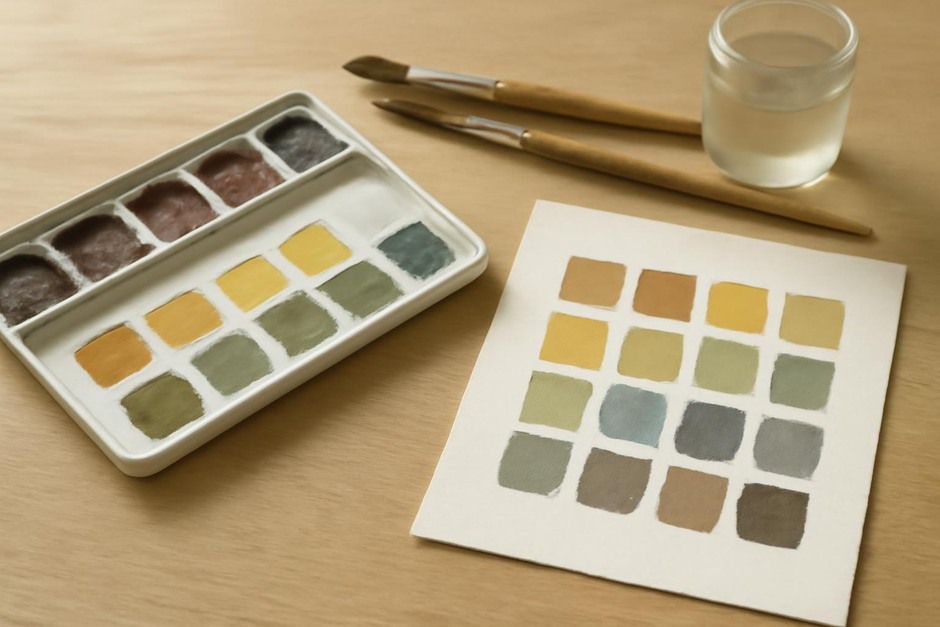
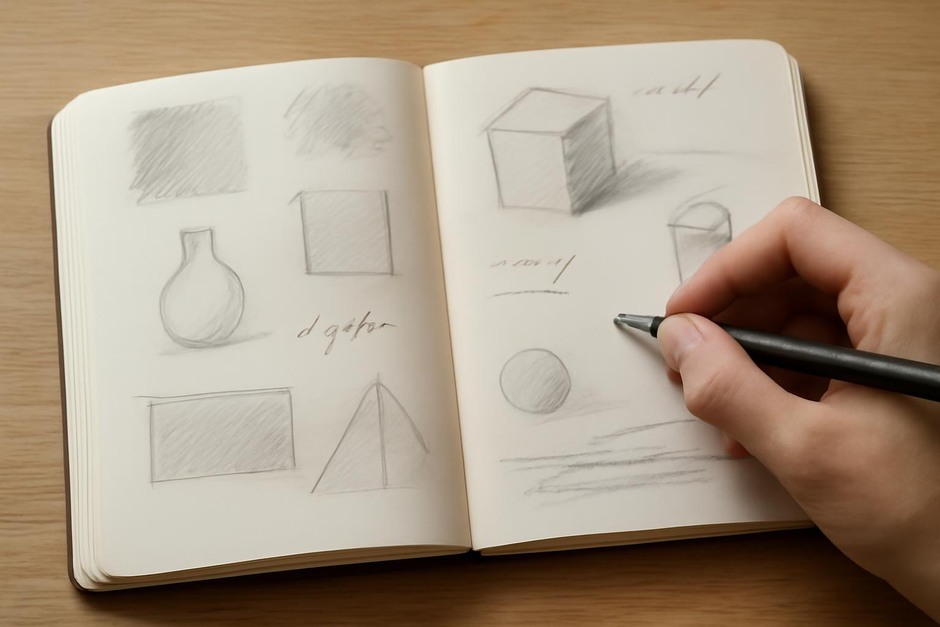
Collect small clippings, photos, and swatches that interest you. Organize them by theme—light, texture, composition type—so they become a personal reference system. Occasional review of this collection will reinforce visual vocabulary and suggest combinations you might not otherwise try.
Practice experimental borrowing
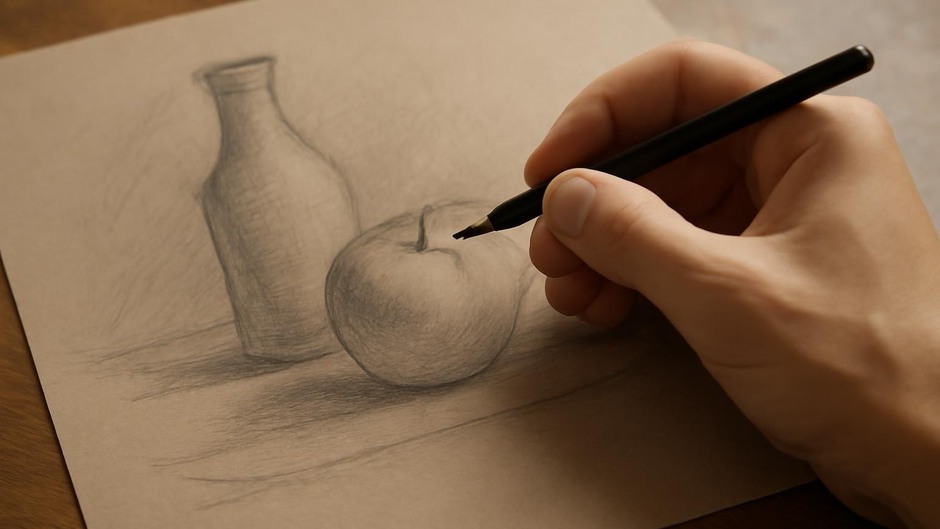
Instead of imitating, experiment with translating an idea across media. If a photograph intrigues you because of its tonal gradation, attempt the gradation in charcoal or paint and note what changes. This translation process highlights medium-specific constraints and often yields more original, informed outcomes.
Reflect on habitual influences
Consider the images you see daily and how they shape your visual preferences. Becoming aware of these habits allows you to choose influences more deliberately and prevents unconscious repetition. Diversifying sources—films, textiles, diagrams—broadens the range of available strategies.
Reading images with care is an active habit that repays small investments of attention. It turns the surrounding visual culture into a thoughtful resource rather than background noise, helping makers integrate useful strategies into their own work in an intentional way.