Materials Guide: Choosing and Caring for Tools
Materials Guide: Choosing and Caring for Tools
Materials shape what you can do and how you work. Selecting the right paper, brushes, pens, and paints should align with your routine and expectations. Equally important is caring for those tools so they remain responsive and useful.
Match materials to use
Consider how you will use an item before buying. If you sketch on the go, choose a smaller sketchbook with a sturdy cover and paper that can handle light washes. For studio work, invest in larger sheets and a paper that accepts wet media without warping. Match brush types to media: synthetic filaments are durable for acrylic, while natural hair holds water and pigment well for watercolor.
Spend where it matters
Quality matters most where it affects your process. A reliable brush that holds its shape, a paper that accepts corrections, or a good quality pigment that behaves predictably are worth modest investment. For consumables like single-use markers or inexpensive sketchbooks, choose what enables frequent practice rather than what promises archival perfection.
Simple brush care
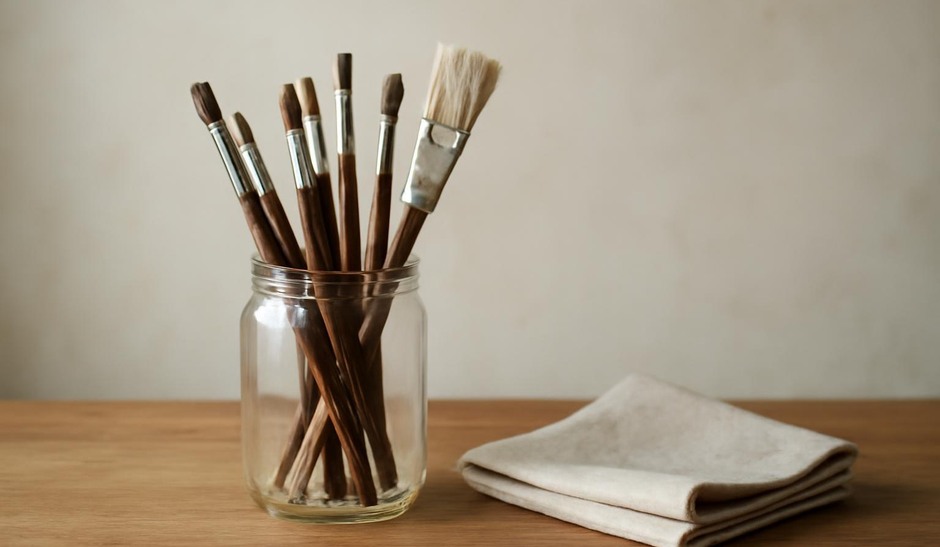
Rinse brushes promptly after use, reshape the bristles with your fingers, and store horizontally or bristle-up to prevent damage. For water-based media a mild soap cleanses residual pigment; for oil, use appropriate solvents followed by soap and water. Avoid leaving brushes standing in water for extended periods to prevent handle swelling and bristle separation.
Paper and surface habits
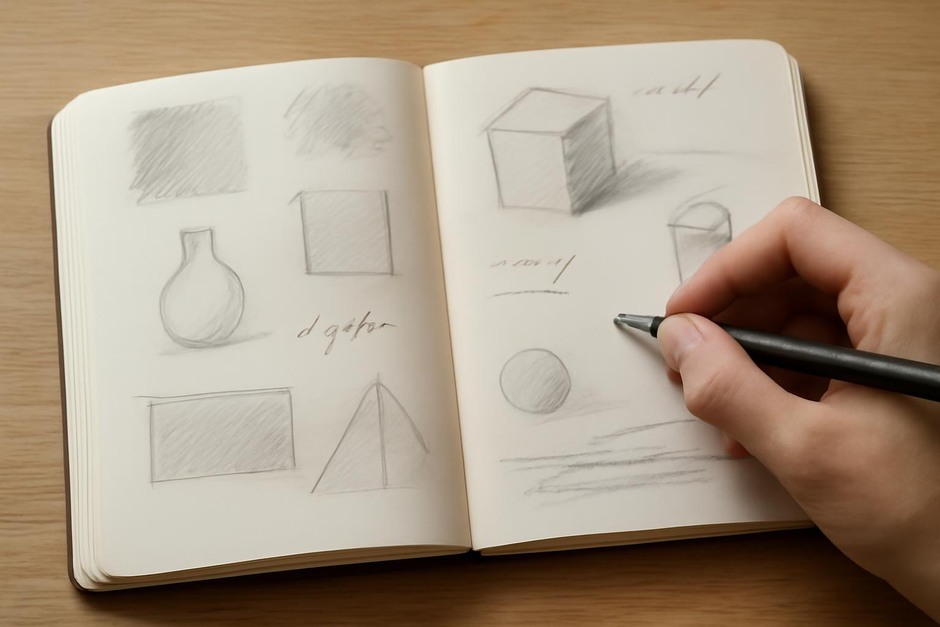
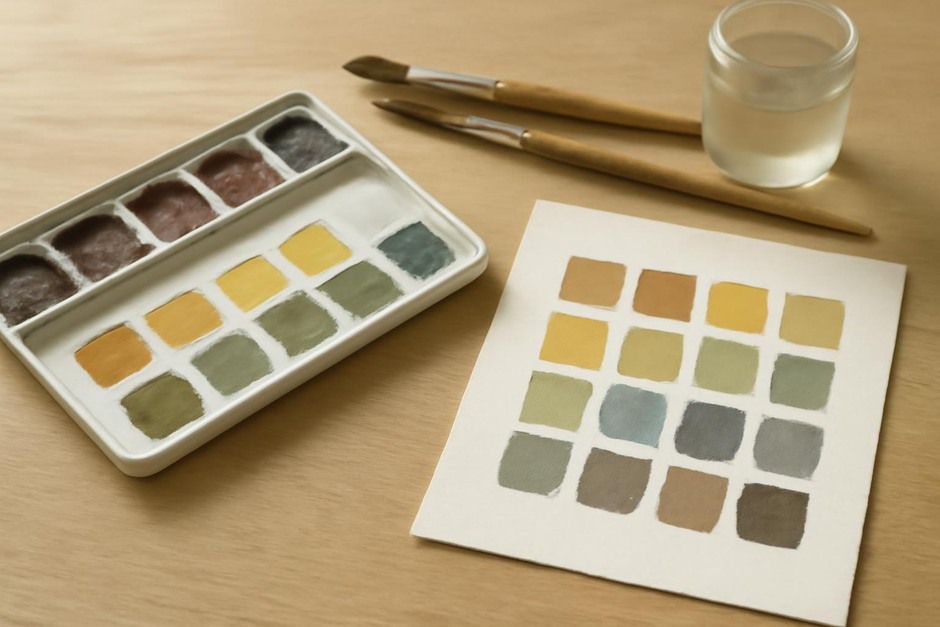
Handle paper with clean hands to avoid oils and dirt. For wet work, stretch paper when necessary, or use heavier sheets. Keep a scrap pad for testing media and colours before applying them to key work. For sketchbooks, consider tape or a small clamp to hold pages flat if you work across gutters.
Store pigments and materials sensibly
Keep paints and inks in a cool, dry place. Squeeze tubes carefully and close lids securely to prevent skinning and drying. Label jars and containers clearly if you mix mediums or additives. For pencils and sticks, a simple roll or case protects points and prevents dust accumulation.
Repair and adapt
Small repairs extend the life of supplies. Replace ferrules on brushes when needed, bind loose sketchbook signatures, and use gummed tape for reinforced spines. Adapting old tools to new uses—such as using an old brush for texture—reduces waste and grows familiarity with a wider range of marks.
Keep a modest maintenance routine
A few minutes of care after a session pays off. Wipe palettes clean, rinse water jars, and put tools away thoughtfully. This routine keeps materials functioning and makes the start of the next session easier, encouraging continued practice.
Choosing materials is a balance between preference and practicality. Caring for those materials with simple, consistent habits preserves their performance and supports sustained creative work.